
Transform Your Morning: The Ultimate Guide to Healthy Breakfast & Brunch
Discover science-backed strategies and delicious recipes to energize your day and build lasting wellness habits from the moment you wake up.
The information on this site is for educational purposes only and does not constitute medical advice. Always consult a qualified healthcare professional before making health decisions.
Why Breakfast Matters: By The Numbers
of successful people eat breakfast within 2 hours of waking
improvement in cognitive performance after a protein-rich breakfast
more likely to maintain energy levels throughout the morning
of protein recommended for optimal breakfast nutrition
Key Benefits of Starting Your Day Right
Enhanced Energy & Focus
A balanced breakfast replenishes your glucose supply and provides sustained energy for your morning. Combining whole grains, protein, and healthy fats creates a stable blood sugar response that keeps you alert and focused until lunch. Studies show that breakfast eaters perform better on memory tests and demonstrate improved concentration in work and school settings.
Better Metabolism & Weight Balance
Eating breakfast activates your metabolism and helps regulate appetite throughout the day. When you skip breakfast, your body tends to compensate with larger meals later, often with less nutritious choices. A protein-rich morning meal increases satiety signals, reducing overall caloric intake and helping you make better food decisions throughout the day.
Improved Mood & Emotional Wellness
Breakfast sets the tone for your emotional state. A nutritious morning meal stabilizes serotonin levels and prevents mid-morning mood crashes caused by blood sugar dips. The act of nourishing yourself intentionally also builds a positive mindset and sense of self-care that carries into your day, improving stress resilience and emotional balance.
Stronger Nutrient Foundation
Breakfast is your opportunity to load up on essential vitamins, minerals, and fiber that fuel your body's daily functions. A well-designed morning meal delivers antioxidants from berries, calcium from dairy or fortified alternatives, B vitamins from whole grains, and phytonutrients from vegetables. This early nutrition intake establishes a strong foundation for meeting your daily nutritional goals.
Visual Inspiration: Featured Recipes
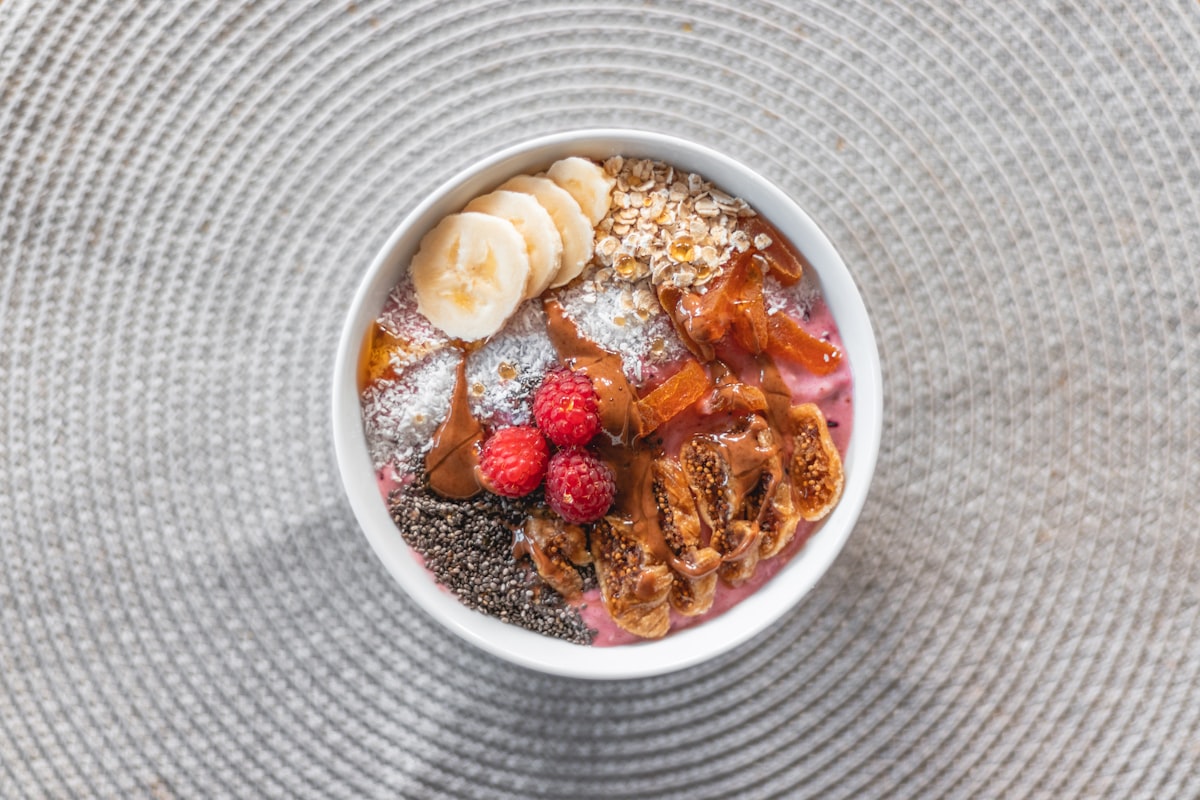
Protein-Packed Quinoa Bowl
Ancient grains meet modern nutrition. This vibrant bowl combines fluffy quinoa, Greek yogurt, fresh berries, and toasted nuts for a complete meal in minutes.
View Recipe →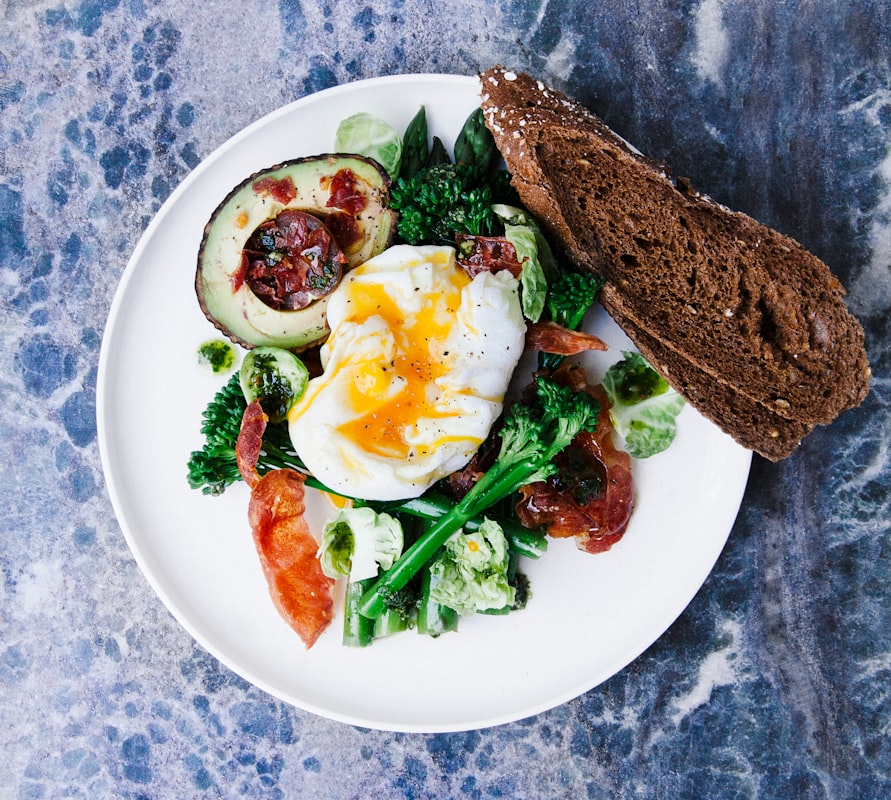
Veggie-Loaded Omelette
Fluffy eggs folded with seasonal vegetables, fresh herbs, and a hint of cheese. A classic breakfast that packs micronutrients and lasting satisfaction.
View Recipe →
Overnight Chia Seed Pudding
Prepare the night before and wake up to a creamy, nutrient-dense breakfast. Chia seeds provide omega-3s, fiber, and natural energy without the morning rush.View Recipe →
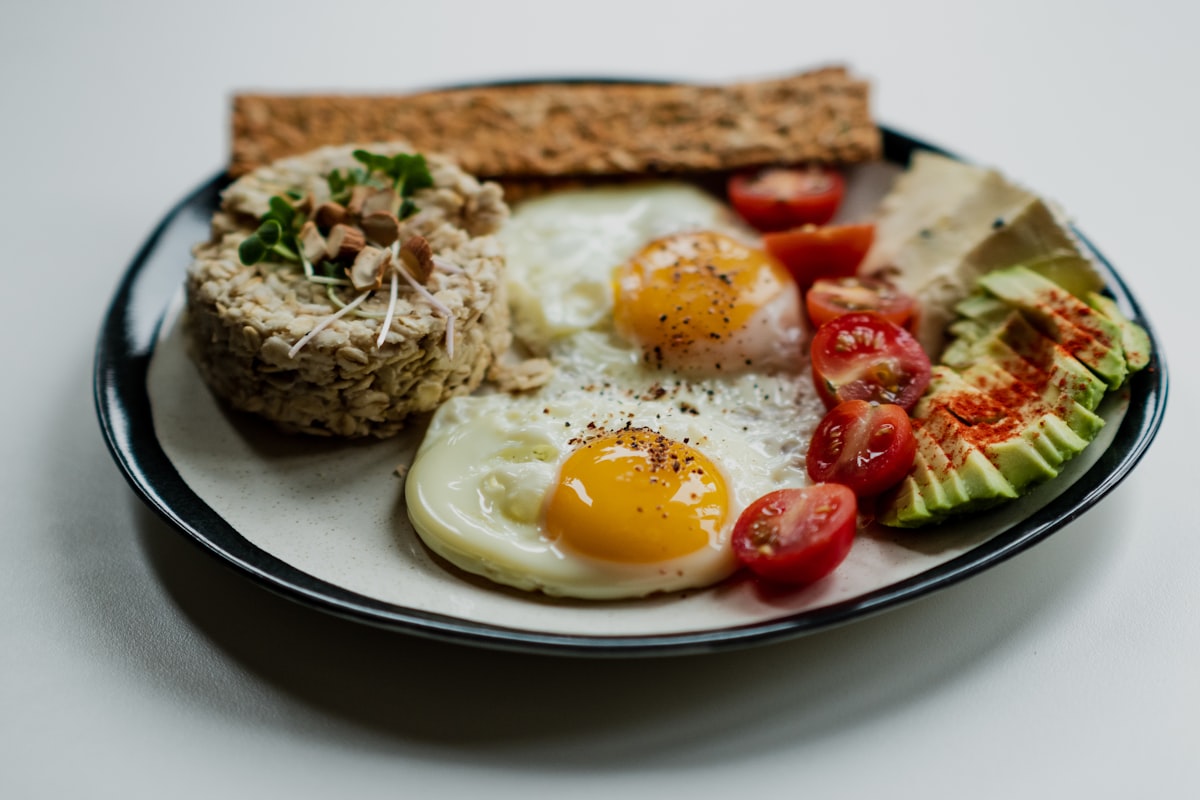
Whole Grain Toast Spread Combinations
Simple yet sophisticated. Discover four artfully designed toast variations featuring hummus, avocado, nut butters, and fresh toppings for variety every morning.
View Recipe →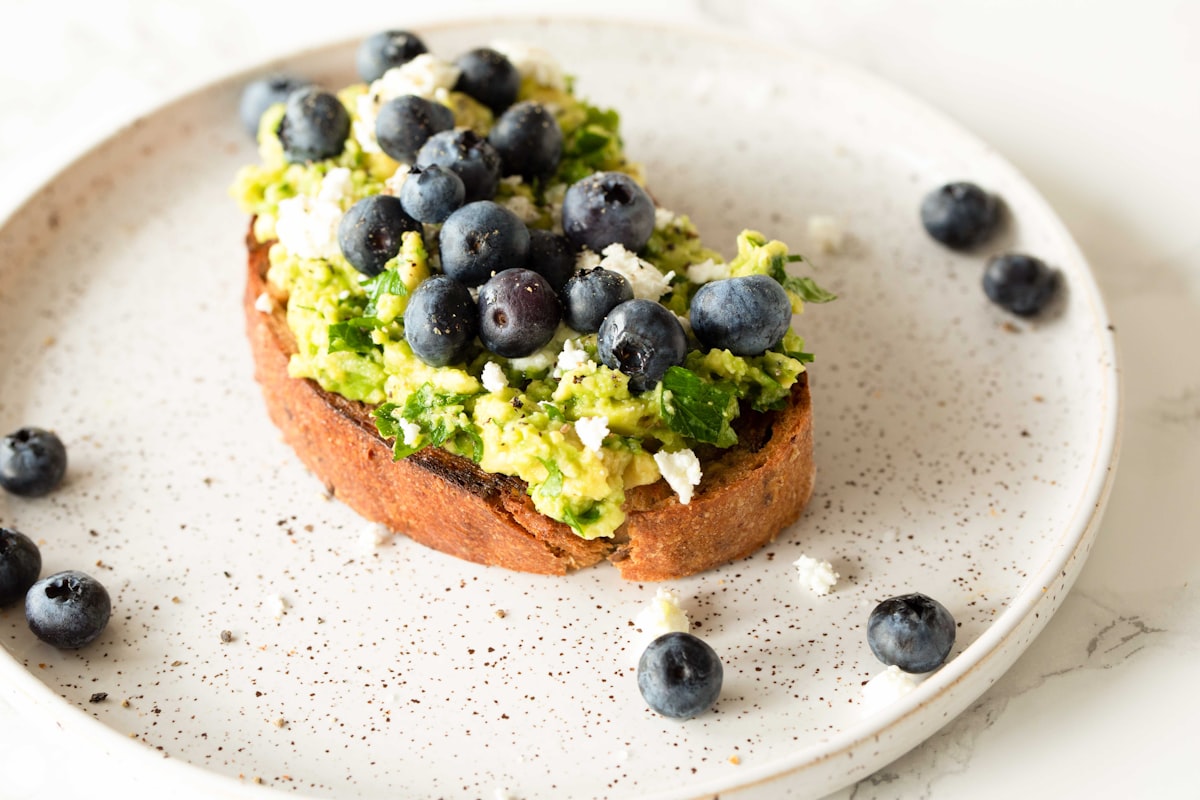
Green Smoothie Bowl
A naturally colorful powerhouse blending spinach, banana, almond milk, and plant-based protein. Topped with granola and coconut for texture and sustained energy.
View Recipe →
Mediterranean Brunch Platter
Fresh olives, feta cheese, whole grain bread, tomatoes, and cucumbers create a slow-paced, nourishing brunch experience inspired by coastal European traditions.
View Recipe →5-Step Guide to Meal Prepping Breakfasts
Plan Your Week Around Your Schedule
Before you shop, reflect on your upcoming week. Which mornings are rushed? Which allow extra time? Plan heavier recipes for relaxed days and grab-and-go options for busy days. Consider your energy levels, any social events, and seasonal ingredients available in your local market. This intentional planning prevents food waste and ensures you'll actually eat what you prepare.
Shop with a Strategic List
Create a categorized shopping list organized by produce, proteins, grains, and dairy sections. Choose whole foods over processed alternatives. Buy seasonal vegetables and fruits for better nutrition and lower cost. Stock staple proteins like eggs, Greek yogurt, and legumes that work in multiple breakfast formats. Consider buying in bulk for items you use frequently, but be realistic about shelf life and storage capacity.
Prep Ingredients, Not Just Finished Meals
The key to flexible meal prep is preparing components, not rigid full meals. Wash and chop vegetables, cook grains in batches, prepare proteins, and portion nuts and seeds into containers. This approach gives you building blocks to mix and match throughout the week, preventing boredom and allowing you to adapt based on how you feel each morning. Store components in clear glass containers for visibility and freshness monitoring.
Use Proper Storage Methods for Maximum Freshness
Invest in quality glass containers that are airtight and refrigerator-safe. Label everything with preparation dates. Store delicate items like berries separately from cut vegetables to prevent sogginess. Keep wet ingredients away from dry ones until assembly time. Use freezer-friendly containers for overnight oats and smoothie packs that you can prepare two weeks in advance. Proper storage extends shelf life and maintains nutritional integrity and taste.
Assemble Fresh Each Morning for Best Results
While overnight oats and some items improve with overnight resting, most breakfast components taste best assembled fresh. Use your prepared ingredients to combine meals each morning in just five minutes. This practice also keeps you connected to your breakfast ritual and allows you to adjust portions and toppings based on how hungry you feel. Fresh assembly ensures optimal texture, flavor, and nutrient preservation compared to pre-assembled meals stored for several days.
Quick & Easy Recipe Collections
5-Minute No-Cook Breakfasts
Perfect for hectic mornings. These recipes require zero cooking and can be assembled from pantry staples. Includes Greek yogurt parfaits, granola combos, and fruit boards that deliver maximum nutrition in minimal time.
Explore CollectionProtein-Powered Breakfasts
Designed for active individuals and fitness enthusiasts. These recipes pack 25-40 grams of protein per serving through eggs, lean meats, legumes, and dairy. Supports muscle recovery and sustained satiety throughout your day.
Explore CollectionPlant-Based Brunch Ideas
Entirely vegetarian and vegan options that prove plant-based breakfasts are delicious and nourishing. Features tofu scrambles, vegetable frittatas, smoothie bowls, and legume-based spreads with creative seasonings.
Explore CollectionInternational Breakfast Traditions
Travel the world through your breakfast plate. Explore Mediterranean shakshuka, Japanese tamagoyaki, Indian dosa, Turkish menemen, and other global breakfast favorites adapted for home kitchens.
Explore CollectionMake-Ahead & Freezer Friendly
Prepare once, eat all week. These recipes include muffins, pancakes, breakfast burritos, and smoothie packs that freeze beautifully. Simply thaw or reheat for instant breakfast without morning stress.
Explore CollectionRestaurant-Quality Brunch Recipes
Elevate your weekend mornings with restaurant-inspired dishes. Includes eggs Benedict variations, crepes, brioche French toast, and artfully plated breakfast boards perfect for entertaining guests or special occasions.
Explore CollectionFrequently Asked Questions About Healthy Breakfast
While some people function well intermittently fasting, research consistently shows that breakfast eaters typically have better cognitive performance, mood stability, and metabolic health. Skipping breakfast often leads to overeating later in the day and makes it harder to concentrate during morning tasks. The quality of your breakfast matters more than eating at a specific time—if you're not hungry at 7 AM, waiting until 10 AM is fine, but nutrient-dense fuel within a few hours of waking supports optimal daily functioning.
Nutritionists typically recommend 20-30 grams of protein at breakfast, though individual needs vary. This amount provides sustained satiety, supports muscle maintenance, and stabilizes blood sugar. One egg contains 6 grams of protein, Greek yogurt provides 15-20 grams per serving, and legumes offer 15 grams per cooked cup. If you're more active or trying to build muscle, aim for the higher end. Less active individuals can function well with 15-20 grams. The key is pairing protein with fiber and healthy fats for optimal nutrient absorption and lasting energy.
Yes, if it includes varied ingredients. Eating the same base recipe—like oatmeal—but rotating toppings, fruits, and proteins ensures you get different micronutrients weekly. However, complete monotony may lead to nutritional gaps since no single food contains all required nutrients. If you love consistency, choose a breakfast template you enjoy and vary the specifics. This approach provides the psychological comfort of routine while maintaining nutritional diversity. Many successful people eat "the same breakfast" with intentional variations that look similar but deliver different nutrients.
Choose whole grain carbohydrates that retain fiber and nutrients: steel-cut oats, whole wheat bread, quinoa, sweet potatoes, and legumes. These foods break down slowly, preventing blood sugar spikes and crashes. Avoid refined carbohydrates like white bread and sugary cereals that provide quick energy followed by fatigue. If you eat processed grains, ensure they're fortified with B vitamins and include at least 3 grams of fiber per serving. Pairing carbs with protein and fat further slows digestion and enhances satiety. Portion size matters—aim for 1-2 servings of grains (one serving equals one slice of bread or half a cup cooked).
The best time is whenever you naturally feel hungry after waking. Most people function optimally eating within 2 hours of waking, but this varies. Some people wake ravenous at 6 AM; others aren't ready until 10 AM. Your circadian rhythm, sleep schedule, and activity level influence hunger timing. Consistency matters more than your specific time. Listen to your body's hunger signals rather than following a rigid schedule.
Absolutely. If you're genuinely not hungry in the morning, skipping breakfast is fine. The key is ensuring you eat enough nutritious food throughout the day to meet your caloric and nutrient needs. Intermittent fasting works well for some people. Focus on overall nutrition rather than forcing a meal you don't want.
Prepare components separately: cook grains and proteins in bulk, chop vegetables, portion nuts and seeds, and prepare egg muffins. Store in glass containers for 4-5 days. Combine fresh elements (fruit, yogurt) each morning. Overnight oats, breakfast burritos, and egg casseroles are excellent make-ahead options that save time without sacrificing nutrition or taste.
What Our Students Say
Join thousands of people who've transformed their breakfast habits and overall health.
"This course completely changed how I approach breakfast. I've lost significant weight and have so much more energy throughout the day. The recipes are delicious and actually easy to make!"
Jessica Martinez
Marketing Manager
"As a busy father of two, I needed quick breakfast solutions. These meal prep strategies save me 10 hours per week. My kids actually enjoy what I'm making now!"
David Chen
Software Developer
"I've struggled with blood sugar crashes my whole life. Understanding nutrition science has finally given me stable energy and mental clarity. Highly recommend!"
Sarah Rodriguez
Fitness Coach